Common Problems
The Cooktop Works and the Oven Does Not: What That Rules Out
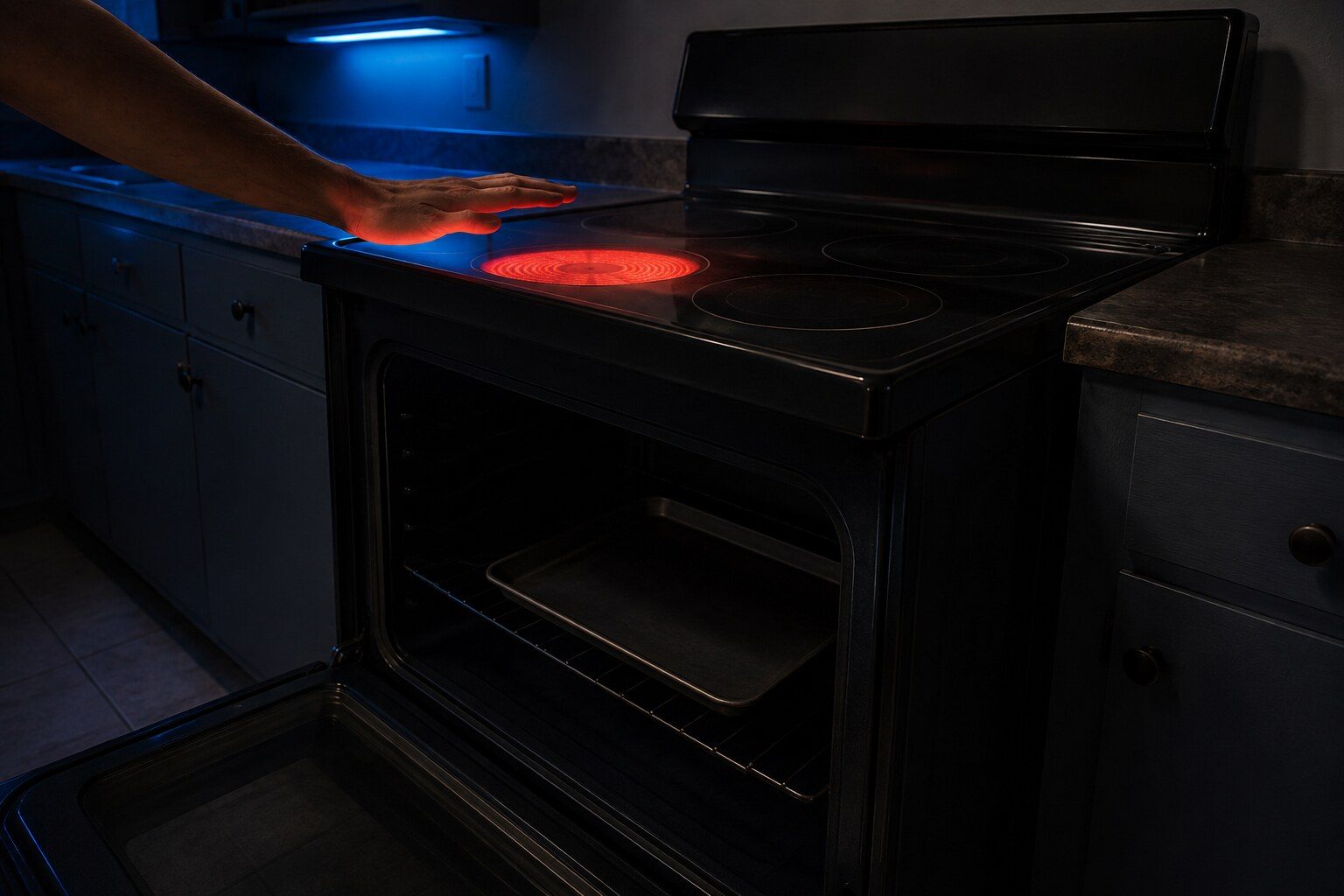
On a freestanding electric range, that combination is a clue rather than a mystery. The range is fed by two 120-volt legs through a double breaker. The surface elements and the controls do not depend on both legs the way the oven's heating elements do, so losing one leg can leave a cooktop that heats normally and an oven that never does. Switch the range's double breaker fully off and fully on before anything else, because a half-tripped double breaker looks completely normal from the front. If the oven still does not heat, the next split is inside the cavity. Bake and broil are two separate circuits with their own elements or igniters, so an oven that broils but will not bake has already proved that its supply, its control board, its door switch and its temperature sensing are all healthy, and has narrowed the repair to the bake half. On a gas range the same observation splits differently, and Whirlpool's own base publishes two pages for it, one for a cooktop-working oven that clicks and one for a cooktop-working oven that does not.
The full guide
Whirlpool oven not working but stove top is: the observation is the diagnosis
People apologize for this sentence as though it were a vague description. It is the opposite: one of the most useful things anybody says about a range, and it rules out more than most tests would.
An electric range runs on two legs, and only one of them is obvious
A freestanding electric range is fed by a 240-volt circuit, which in practice means two 120-volt legs arriving through a double breaker. The clock, the lights, the control board and the cooktop can carry on with what is left when one leg goes missing. The oven's heating elements cannot.
So the picture of a fully alive cooktop, a lit display, a working clock and an oven that never warms is not the picture of a broken range. It is very often the picture of a range that is only being half fed.
Switch the double breaker fully off and fully on before anything else. Do not inspect it and decide it looks fine. A double breaker that has tripped on one side commonly sits in a position that reads as on from the front, which is exactly why this is done by hand.
The same missing leg comes from a loose terminal at the range cord or the outlet behind the machine, which happens to a range pulled out for a floor or a paint job. That one is not a do-it-yourself check on a 240-volt circuit.
Then the second split: bake against broil
If the supply is good and the oven still will not heat, the next question is which half of the cavity is dead.
An oven cavity has two heat sources, not one. There is a broil element or igniter at the roof and a bake element or igniter under the floor, and each has its own switched circuit from the control.
Test it. Set the oven to broil for two minutes and look for the element at the roof glowing. Then set it to bake and look at the element under the oven floor.
Broil works, bake does not. This is the most useful outcome there is. It proves the supply is intact, the control board is switching, the door switch is satisfied and the temperature sensing is reporting. All of it, without a meter. The repair is the bake half alone, and on an electric range that usually means the bake element, which frequently has a visible blister or break in it once you look along its length.
Neither works. Now the shared parts are in scope: the supply, the sensing, the control.
Both look like they work but nothing gets hot. That is a different complaint and it belongs on a page about temperature rather than about heat.
The gas version, and the question the maker asks first
Whirlpool's own support base treats this exact situation as its own branch for gas ranges, and it splits it into two pages: an oven that is not working with the cooktop working and clicking, and an oven that is not working with the cooktop working and not clicking.
That is worth copying, because it is a free test that decides the path.
Set the oven to bake and stand next to it. Working burners have already told you the gas is on and the cooktop's own igniters work. What the oven does next is the new information. Clicking with no flame is one diagnosis, silence is another, and knowing which you have before anybody arrives is worth more than a paragraph of description.
On a gas oven, the part that ages is the igniter, and the trap is the same as on a gas dryer: a weak igniter still glows while no longer drawing enough current to open the safety valve. Glowing is not proof of health, and this is one of the few parts in a kitchen that has to be measured rather than looked at.
How to describe it when you book
Two sentences do most of the work.
Say which of the burners and the oven are working. Then say which of bake and broil is working, and how you know. "Browning on top, raw underneath" is a description of a working broil and a dead bake, and it names the part before anybody opens a toolbox.
On a make this common, that sentence is often the difference between the right element arriving on the first visit and a second appointment.
If it turns out to be a repair
What this leads to, and what it costs
Every job on this site is priced the same way: an on-site diagnostic first, the figure agreed in writing before anybody starts.
-
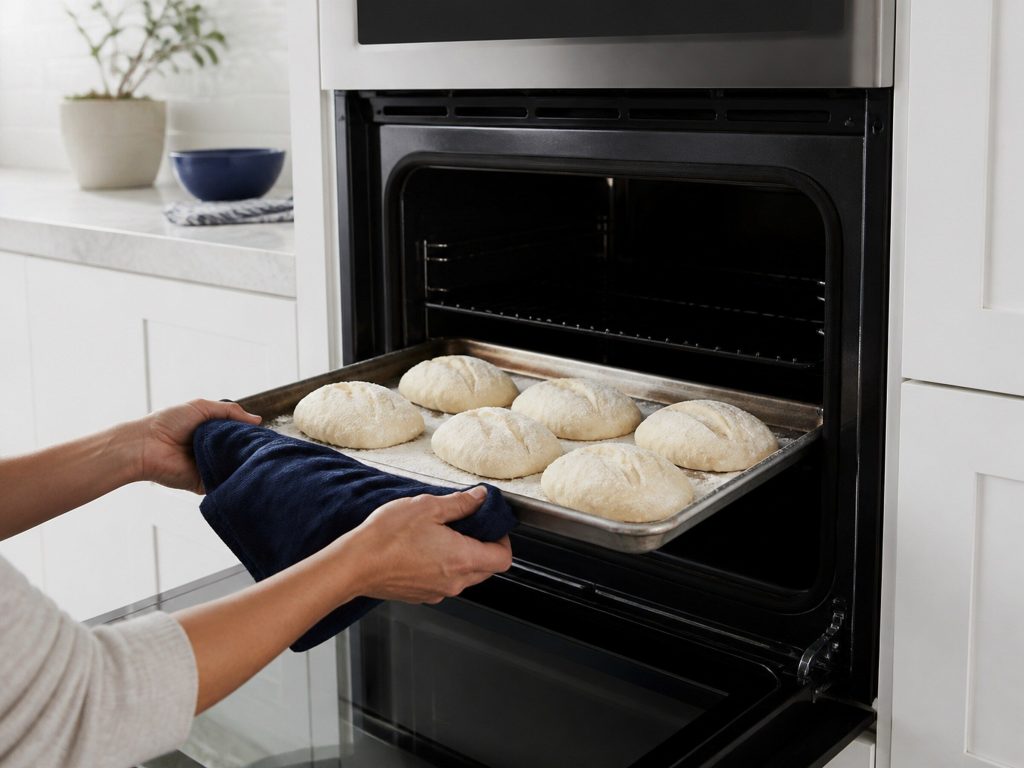
The cooktop works, the oven does nothing Oven will not heat
On a Whirlpool range the cooktop and the oven are close to independent, which is why burners that work perfectly tell you nothing about an oven that does not. This maker publishes more code pages for ranges and wall ovens than for anything else it builds, so an oven that will not heat and shows a code has already narrowed the job before anybody arrives.
- Working burners do not mean the oven has power — an electric oven needs both supply legs
- Whirlpool documents a demo mode for its ranges and wall ovens, and it disables heating on purpose
- A gas oven that clicks and never lights is a different repair from one that never clicks
-
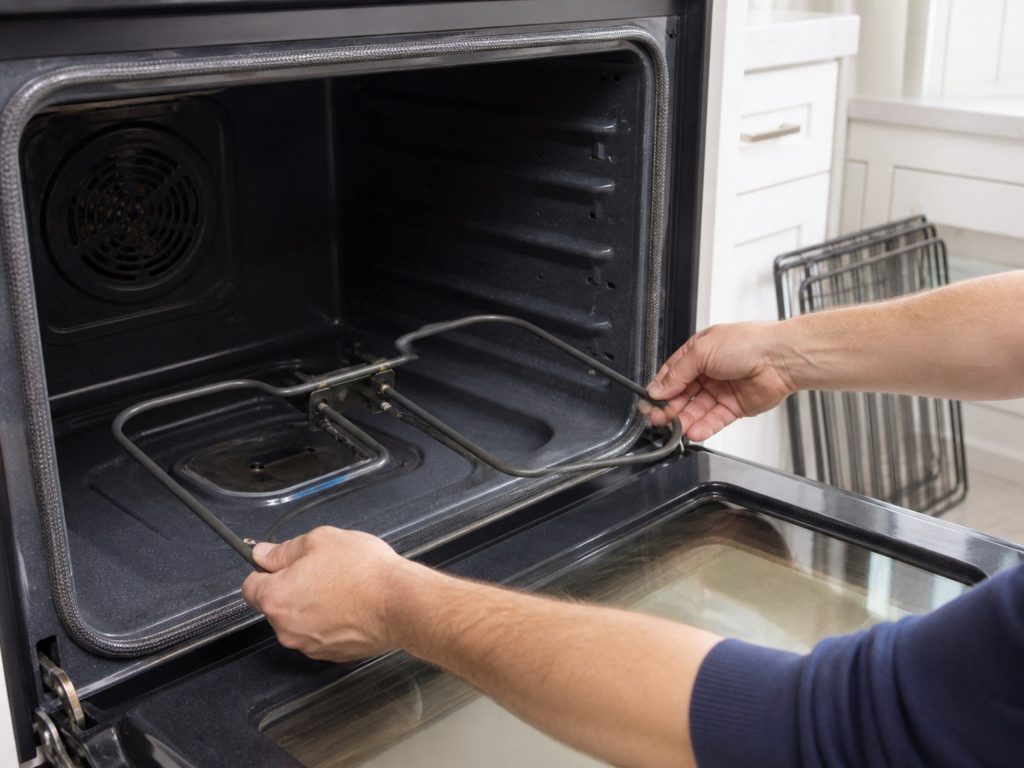
from $155 Oven not heating repair
This is where Whirlpool is at its most talkative. Its ranges carry 170 code pages in its own support base and its wall ovens 176, which is more published diagnostic detail than the whole of its refrigeration line put together. An oven that will not heat on this make usually names its own circuit before anyone opens the back, and that is worth using.
- The machine usually reports first on this appliance, unlike the refrigeration side
- Bake and broil elements, igniter, sensor and relay checked in order
- The exact code characters matter, because this make publishes each combination separately
-
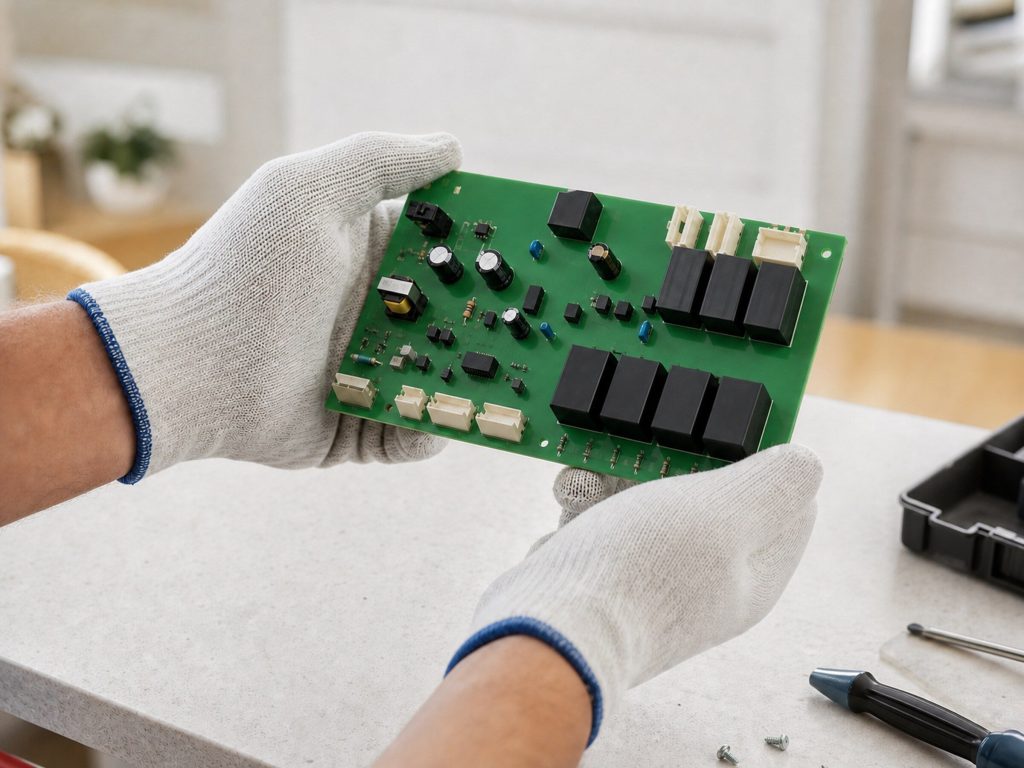
from $265 Appliance control board repair
The board is where a Whirlpool reports from, and it is also the part that gets blamed for everything else. Whirlpool runs the same control architecture across its whole line, which is why an F#E# code looks familiar on a range and on a washer — but a board that has died usually died of something, and replacing it without finding that something buys you a few months.
- A board that died usually died of something, and that something kills the next one too
- Browned connectors and pins backed out of a housing are cheap; boards are not
- Whirlpool revises these mid-production, so the order goes out against the serial
Questions people ask about this
The breaker looks fine. Do I still have to switch it?
Yes, and this is the single most repeated advice in this trade. A double breaker can trip on one side while both handles stay in a position that reads as on. Looking at it proves nothing. Moving it fully to off and fully back to on takes five seconds and settles it.
It broils but will not bake. Is that a control board?
It is possible and it is not where to start. The board sends power to two separate circuits, so a board that successfully drives broil is a board that is largely working. The far more common answers are the bake element itself, which often has a visible blister or break, or on a gas oven the bake igniter, which weakens with age. Both are cheaper than a board and both are checked first.
My range is gas and the burners light fine.
Then the burners have proved the gas supply is on and the igniters at the cooktop work, which is useful. The oven has a separate igniter, and Whirlpool publishes two different pages for this exact situation, split by whether you hear clicking. Listen at the oven when you set it to bake and note what you hear, because that observation decides which path a technician takes.
Is a range like this worth repairing?
On this make, usually. A bake element for a freestanding Whirlpool electric range is an inexpensive stocked part and a short job from the back of the cavity. Where the arithmetic changes is a machine that needs a board and an element and a door at once, on a range that has already had a long life in a rental, and that is a conversation to have plainly before any work starts.
Common Problems
More guides like this one
-
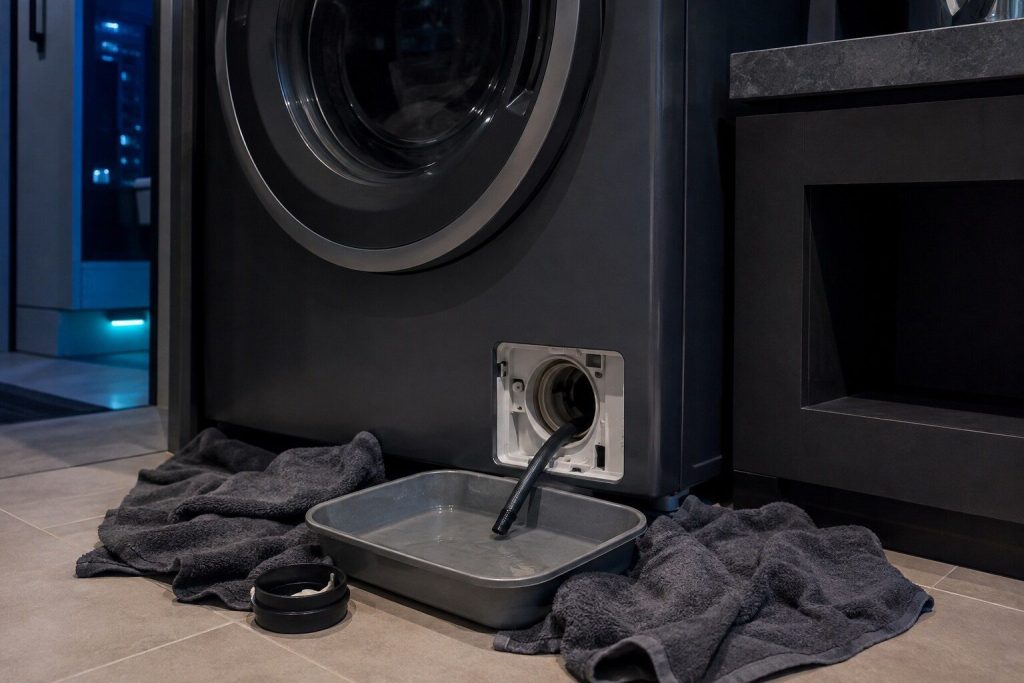
A Washer Stopped Full of Water: Top-Load and Front-Load Are Not the Same Job
A Whirlpool washer not draining water is two different machines with two different answers: a front-loader has a pump filter the maker tells you to clean, and a top-loader does not.
Read more -
A Whirlpool Washer That Sits on Sensing, and What It Is Actually Doing
Sensing is not a pause before the wash. It is a measurement, and a machine that will not leave it is reporting that one of the three things it measures did not come back.
Read more -
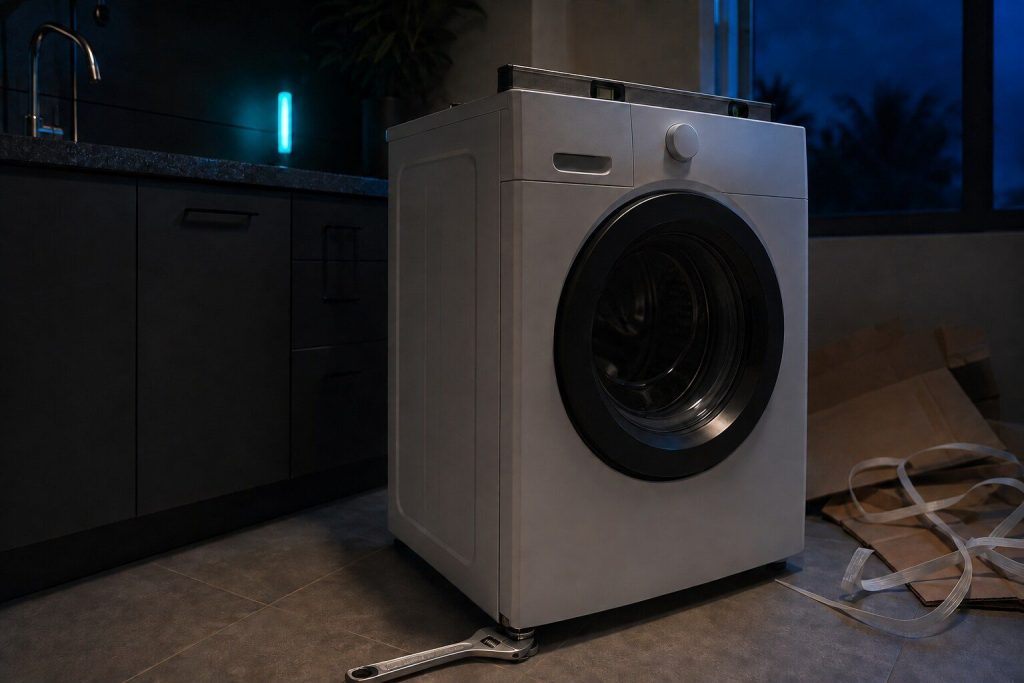
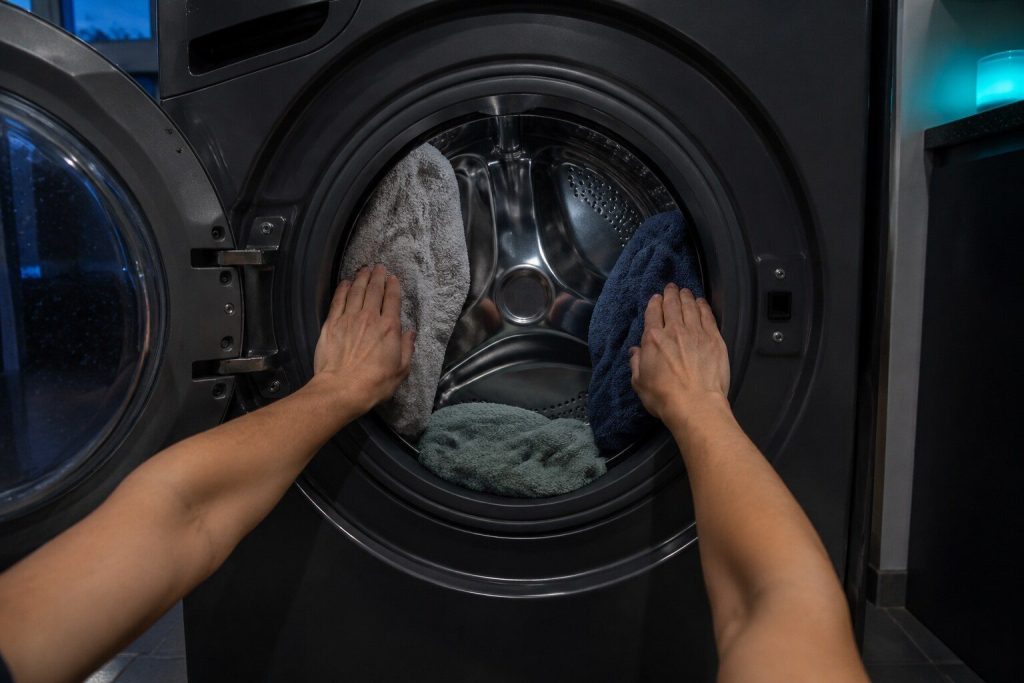
A Washer That Walks: Telling the Load Apart From the Floor
Two different problems arrive as the same sentence. A five-minute test with three towels separates them, and the answer often turns out to be the floor rather than the machine.
Read more
Tell us the model number and what it is doing.
This article is based on:
- Official manufacturer documentation
- Internal repair procedures
- Technician repair history
- Company quality standards