Appliance
Whirlpool ranges
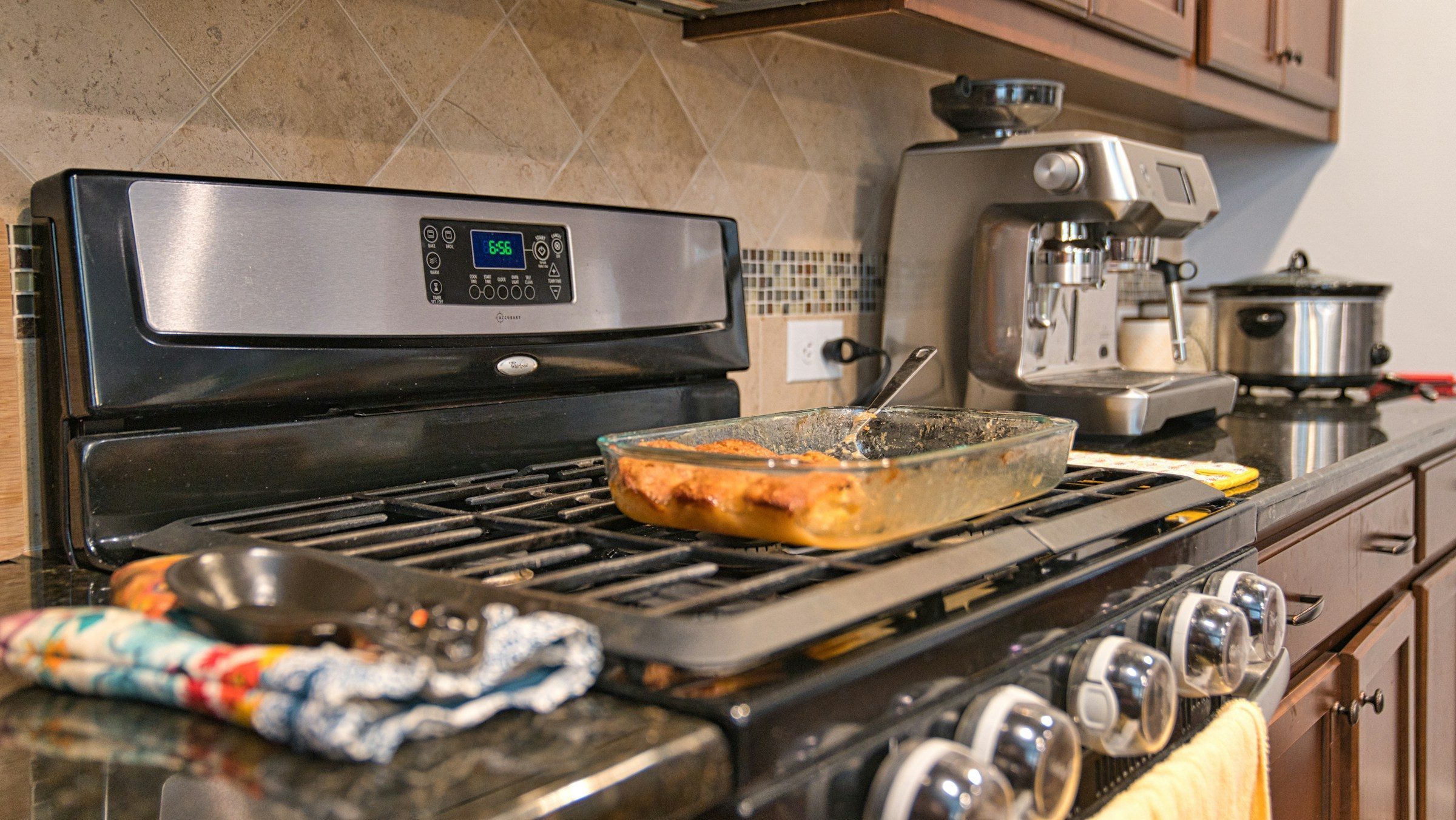
Whirlpool's range section is the largest single appliance branch it publishes: 359 pages, of which 170 are code pages. Second only to the wall oven, and it covers a code set most people have never seen documented — not just the F0 through F9 families and the FB, FC and FE codes, but the numeric families that begin with 1c, 1d, 3d, 4d and 9d, which appear on the newer connected controls and are unfamiliar to anyone who has only worked on older machines. Alongside those sit the plain-English conditions: Lo or Pre, Loc, PUSH or PSH, Sabbath mode, and the C81 to C83 group. This is the appliance Whirlpool talks about most, and it is the reason the code archive on this site is worth reading.
- 6 symptoms we are called out to
- From $89 diagnostic, credited to the repair
- 59 cities and neighborhoods covered
- OEM parts available on order
The short version
What this equipment is, for a repair
Configurations
Freestanding and slide-in ranges, gas and electric, with the deepest code set on the site
Access
Planned before the visit, not discovered on arrival
Parts
OEM, available on order
Diagnostic
From $89, credited to the repair
What goes wrong with it
Symptoms we are called out to on Whirlpool ranges
Each one covers the likely causes in the order they are worth checking, and what to do in five minutes before booking anything.
-
The cooktop works, the oven does nothing Oven will not heat
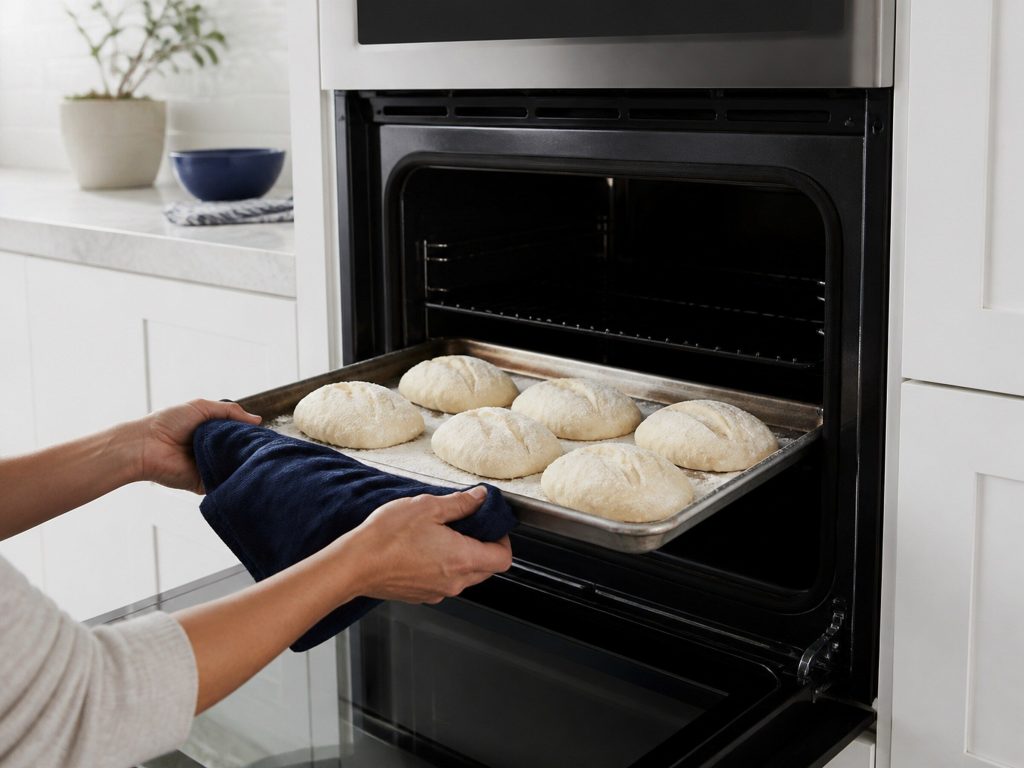
On a Whirlpool range the cooktop and the oven are close to independent, which is why burners that work perfectly tell you nothing about an oven that does not. This maker publishes more code pages for ranges and wall ovens than for anything else it builds, so an oven that will not heat and shows a code has already narrowed the job before anybody arrives.
- Working burners do not mean the oven has power — an electric oven needs both supply legs
- Whirlpool documents a demo mode for its ranges and wall ovens, and it disables heating on purpose
- A gas oven that clicks and never lights is a different repair from one that never clicks
-
The dial says 350 and the baking says otherwise Oven runs hot or cold
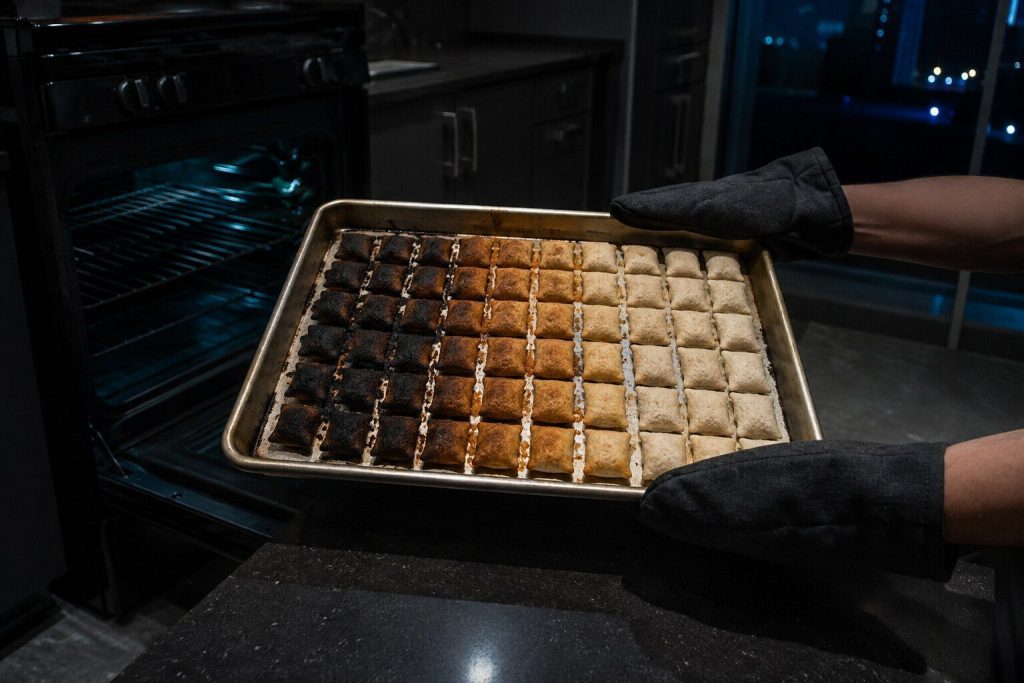
Whirlpool takes this seriously enough to publish separate pages for an oven that is too hot, an oven that is too cold, and — importantly — for each of those both before and after calibration. That distinction is the whole diagnosis: an oven that is out by a consistent amount is a calibration question, and an oven that is out by a different amount every time is not.
- Whirlpool publishes separate pages for too hot and too cold, calibrated and not yet calibrated
- A consistent error is adjustable; an inconsistent one is a sensor or a control
- An oven thermometer costs very little and settles the argument before anybody is called
-
The clean cycle finished hours ago and the door is still shut Oven door will not unlock
An oven locks its own door during self-clean and will not release it until the cavity has cooled below a temperature the control decides on. Most of these calls are somebody trying to open it too early. The rest are a lock motor or a switch that has stopped confirming its position, and Whirlpool codes that.
- A self-clean cycle keeps the door locked for a long time after the cycle itself has ended
- Whirlpool publishes a Displaying an H page for its ranges — the display is reporting a state
- Cutting the power does not unlock the door; it usually just clears the display
-
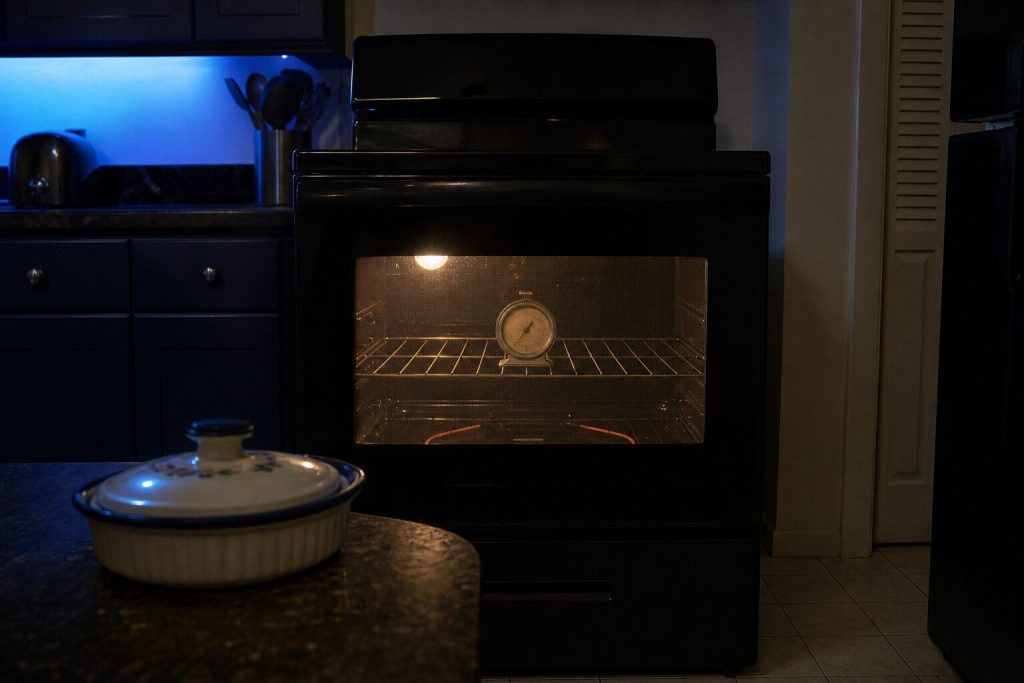
The tone comes twenty minutes later than it used to Oven takes a long time to preheat
Whirlpool publishes its own pages on long preheat times, which tells you how often it gets reported. A preheat that has grown from twelve minutes to thirty rarely means the oven has stopped working. It means one of the things that makes heat is doing less of the work, or one of the things that holds heat is letting it out.
- A preheat that has grown gradually is wear; one that changed overnight is a part
- On a two-element electric oven, one element failing leaves an oven that still heats slowly
- A door gasket that no longer seals costs preheat time before it costs anything else
-
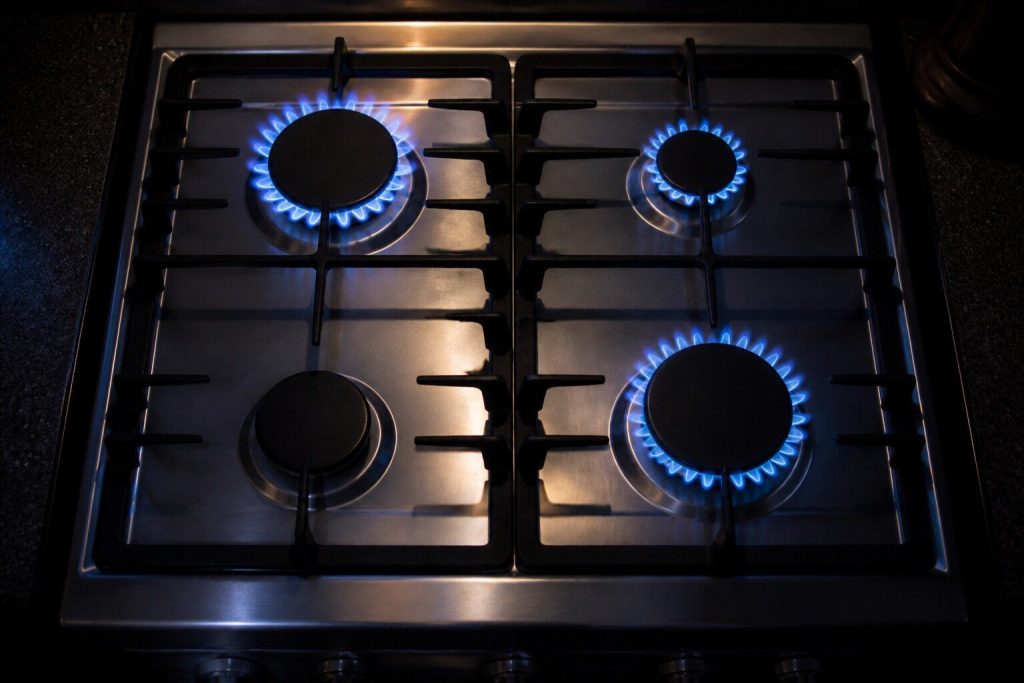
It clicks and clicks and nothing happens Gas burner will not light
Whirlpool's gas cooktop branch is the one place in its whole support base where there is not a single code page. Fifty-two pages about gas cooktops and no error codes at all, because these burners are not electronically supervised the way an oven is. The machine will not tell you anything here. Everything on this page is looked at rather than read.
- Zero code pages in Whirlpool's entire gas cooktop branch — this diagnosis is visual
- A burner cap seated a fraction out of place stops ignition completely
- Clicking with no flame and no clicking at all are two different repairs
-
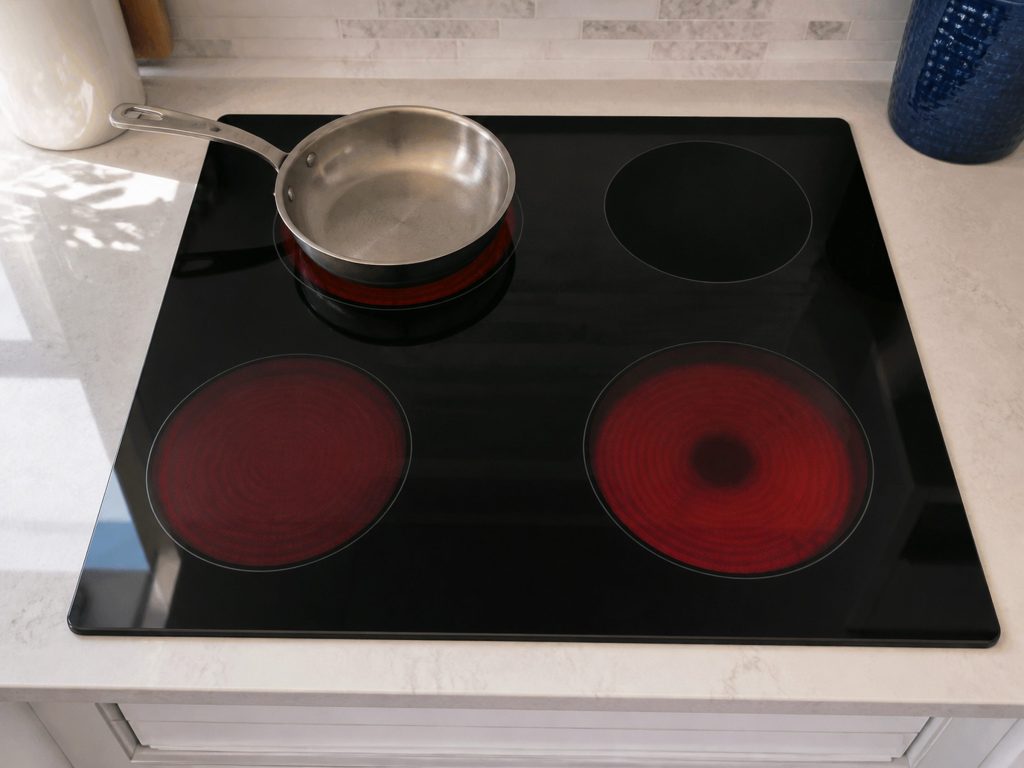
One zone stays cold while the rest work Electric cooktop element will not heat
Whirlpool publishes 83 code pages for its electric cooktops, which is more than it publishes for its entire refrigeration range. So an electric cooktop with a display and a dead zone will often name the problem, and F6 E0 — a loss of communication between the keypad and the user interface control, in the maker's own words — is one of the ones worth knowing.
- 83 code pages for electric cooktops against zero for gas — this half of the branch does talk
- F6 E0 is Whirlpool's loss of communication between the keypad and its control
- A hot surface indicator that never goes out is a sensor report, not a hot cooktop
What we do on it
Repairs we carry out on Whirlpool ranges
Starting figures for this equipment in South Florida. The exact cost is confirmed after an on-site diagnostic — and this is not the whole list of what can go wrong, so call if your problem is not here.
-
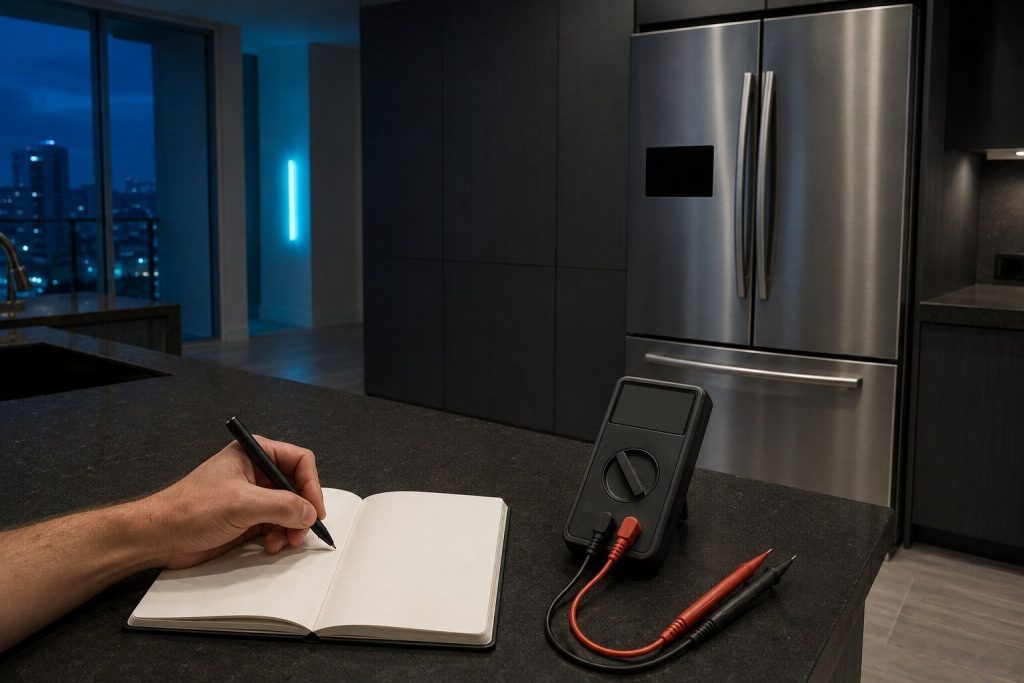
from $89 Diagnostic visit
One visit, one technician, one answer in writing. On a Whirlpool the first question is whether the appliance is talking, because this make is not evenly talkative. It publishes a separate page for every code on its ranges, its ovens, its cooktops, its washers and its dryers, and it publishes almost nothing of the kind for its refrigerators and freezers. Knowing which half of the house you are standing in changes how the visit starts.
- Whether this appliance talks at all decides how the visit starts
- Laundry and cooking almost always have a code; the cold side almost never does
- Whatever we find goes to you in writing, and the visit comes off the repair
-
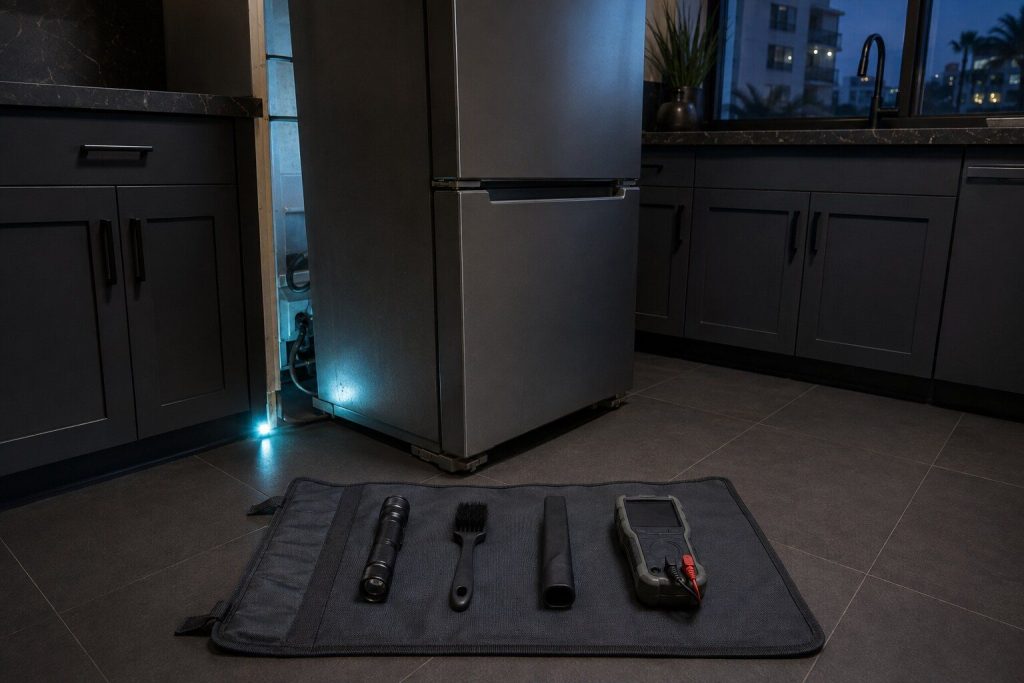
from $119 Appliance maintenance
Nothing on this list saves an owner more money and nothing is booked less often. Whirlpool builds appliances that will run for fifteen years in an ordinary house, and what usually ends them early is a maintenance item rather than a design one: a coil under a blanket of dust, a drain pump filter that has never once been opened, a duct that has closed a little further every year. This make publishes cleaning instructions for every one of those. Almost nobody has read them.
- One visit across everything you own, priced on time rather than per machine
- The washer drain pump filter, which is the most neglected part in South Florida
- You keep a written list of what is closest to failing
-
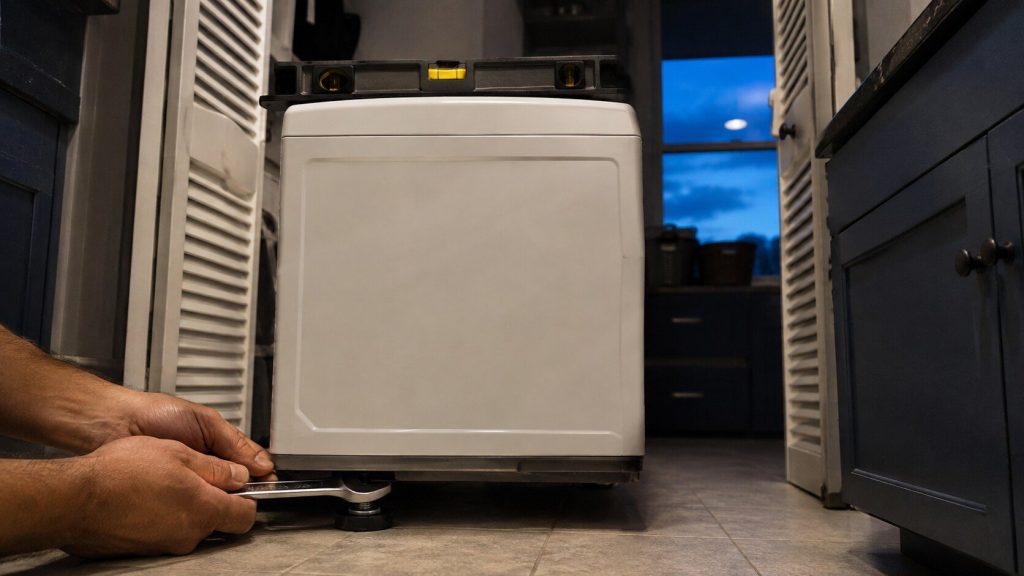
from $139 Appliance installation
Most installations on this make are replacements, and that is worth saying out loud. The owner has just weighed a two-hundred-dollar repair against a nine-hundred-dollar machine and chosen the machine. What decides whether the new one is still working in eight years is the hour after it arrives: whether the opening was measured, whether the duct behind it was cleared, whether anyone put a level on it. A delivery crew is not paid for that hour and does not stay for it.
- The hour after the delivery truck leaves, which is the hour nobody is paid for
- Leveling done with a level and the lock nuts tightened, on every machine that has feet
- Gas joints leak-tested and the result written down
-
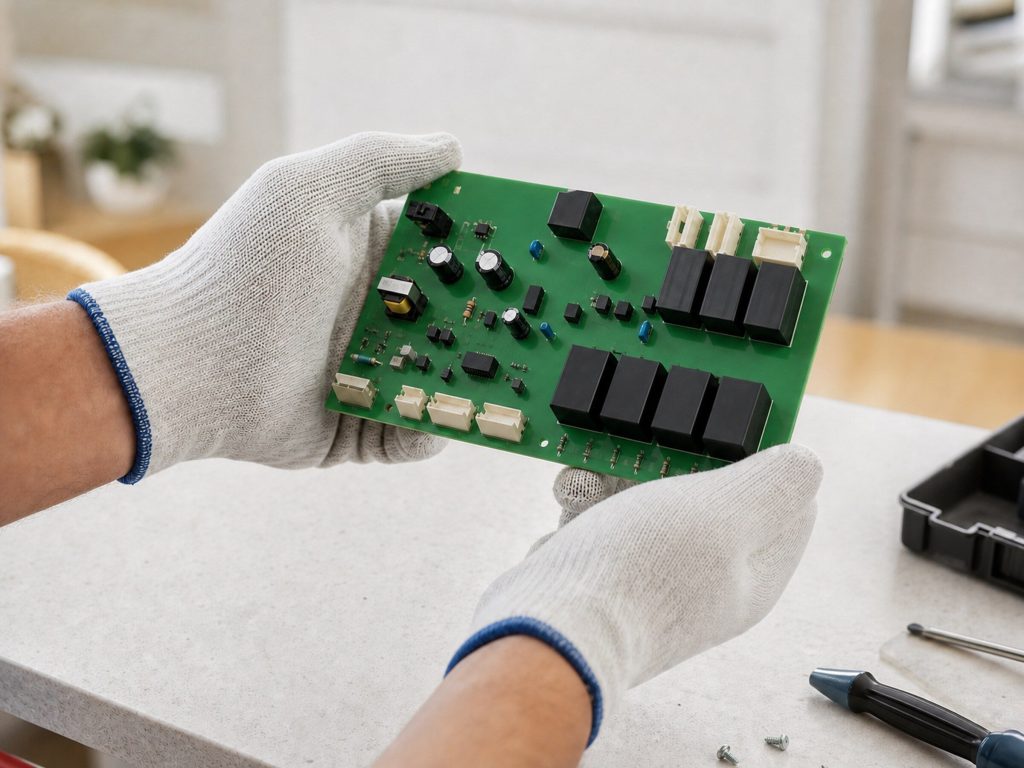
from $265 Appliance control board repair
The board is where a Whirlpool reports from, and it is also the part that gets blamed for everything else. Whirlpool runs the same control architecture across its whole line, which is why an F#E# code looks familiar on a range and on a washer — but a board that has died usually died of something, and replacing it without finding that something buys you a few months.
- A board that died usually died of something, and that something kills the next one too
- Browned connectors and pins backed out of a housing are cheap; boards are not
- Whirlpool revises these mid-production, so the order goes out against the serial
-
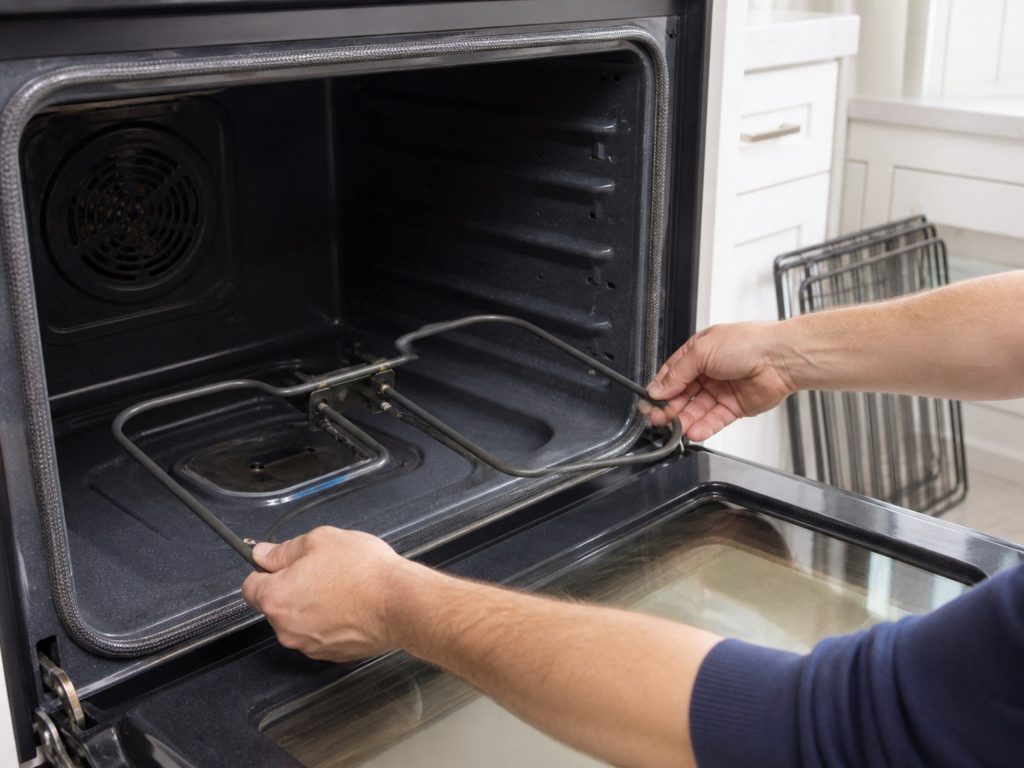
from $155 Oven not heating repair
This is where Whirlpool is at its most talkative. Its ranges carry 170 code pages in its own support base and its wall ovens 176, which is more published diagnostic detail than the whole of its refrigeration line put together. An oven that will not heat on this make usually names its own circuit before anyone opens the back, and that is worth using.
- The machine usually reports first on this appliance, unlike the refrigeration side
- Bake and broil elements, igniter, sensor and relay checked in order
- The exact code characters matter, because this make publishes each combination separately
-
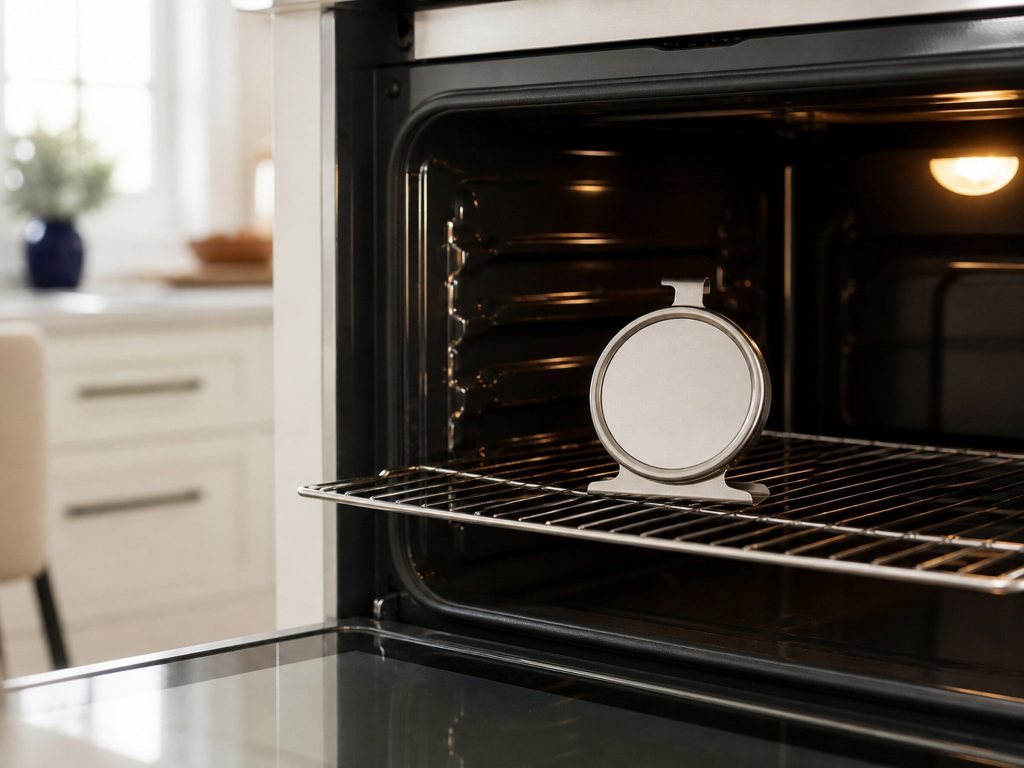
from $125 Oven temperature calibration and sensor service
An oven that runs hot, runs cold or swings wildly is usually reporting the truth about its own sensor. This is a small part with a large effect: everything the control does depends on what the sensor says the cavity is doing, and a sensor that has drifted takes the whole oven with it. It is also the repair most often confused with a bad element.
- Baking badly with no code is a sensor question before it is an element one
- The oven is measured against an independent probe, not against its own display
- Calibration offset is set and documented
-
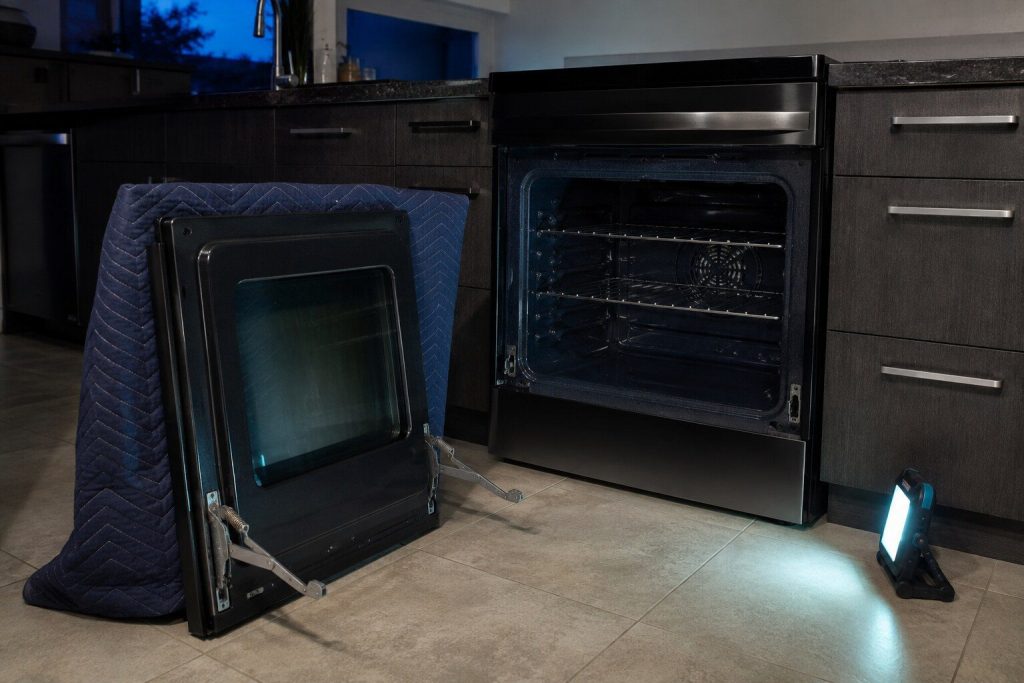
from $175 Oven door and hinge repair
An oven door is a heavy assembly of two or three glass panels, a pair of spring hinges and a seal, and every one of those parts has a job in keeping heat where it belongs. A door that does not close square wastes heat, browns unevenly, and can leave the front of the range hot enough to be a genuine hazard in a house with children.
- A door out of alignment costs heat, evenness and safety
- Hinges are replaced in pairs, because one worn hinge means both are worn
- The gasket is inspected and renewed while the door is off
-
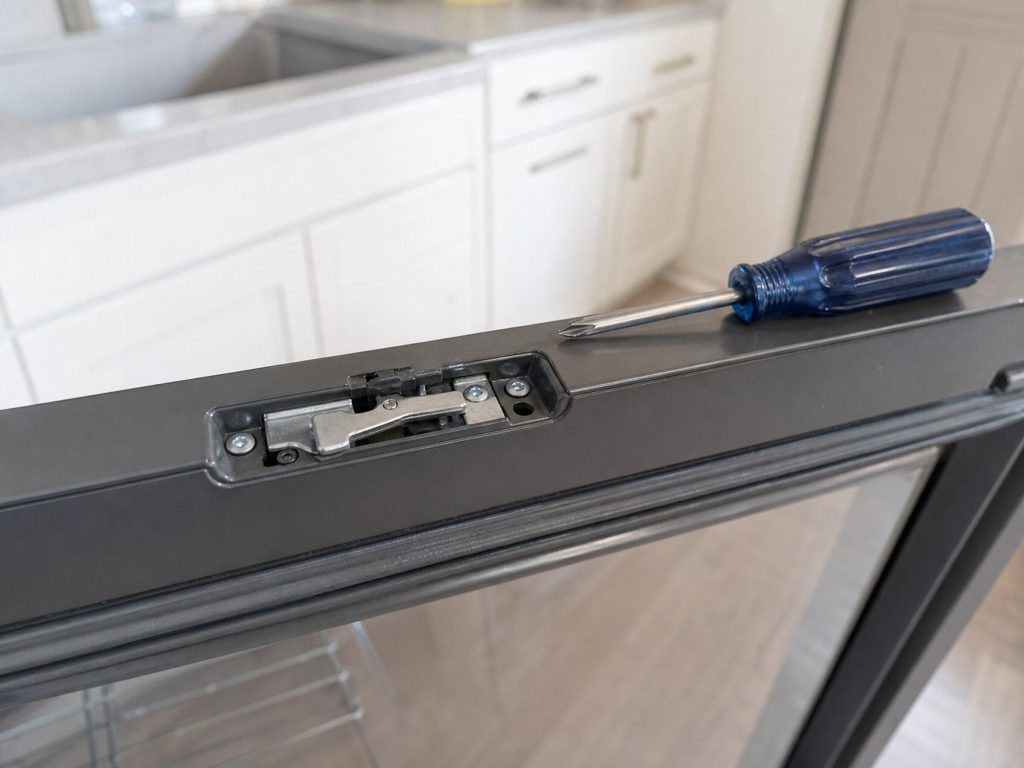
from $155 Self-clean and oven door lock repair
The self-clean cycle takes the cavity to a temperature that nothing else in the house reaches, and it is also the cycle that finds every weak component in the oven. Doors that will not unlock afterwards, locks that jam mid-cycle and controls that report during a clean are common enough that Whirlpool publishes on them, and it is a repair worth doing properly.
- A door locked shut after a clean cycle is a repair, not a wait
- The motor, the switches and the control are treated as one circuit
- What the clean cycle damaged is checked at the same time
-
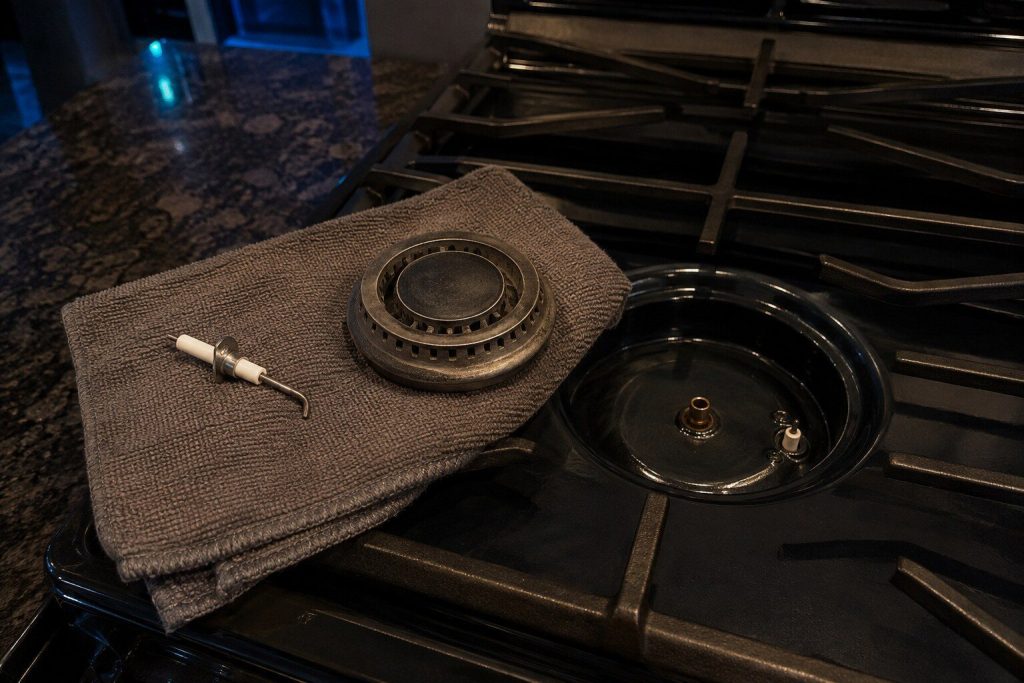
from $165 Gas burner and igniter repair
A gas burner that clicks endlessly, lights slowly or will not light at all is one of the few Whirlpool cooking problems the machine will not name for you. This is worth stating plainly: Whirlpool publishes 52 support pages for its gas cooktops and not a single code page among them. There is no reading to look up here. It is done with eyes, a meter and a manometer.
- No published codes on this appliance — this one is diagnosed, not read
- Endless clicking is usually moisture or a misplaced burner cap, not a part
- Flame color and shape are read as the diagnostic they are
-
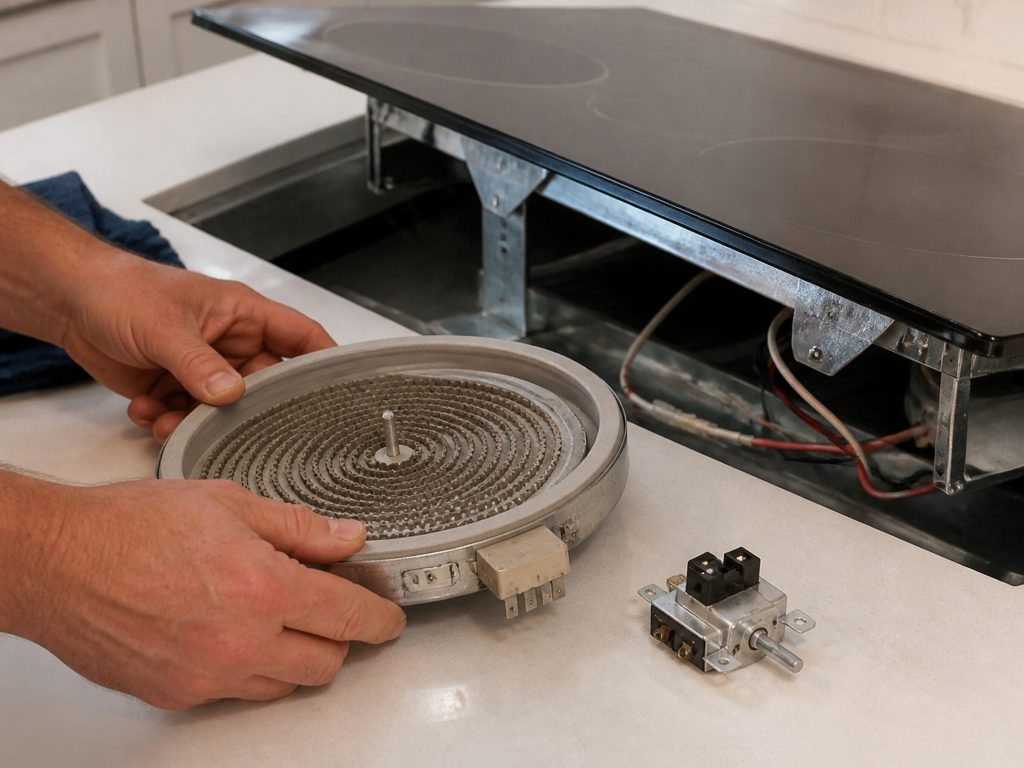
from $175 Electric cooktop element repair
A radiant element that has stopped, or that runs at one heat regardless of the setting, is usually the element or the switch behind it, and on this make there is a very good chance the cooktop has already said which. Whirlpool publishes 83 code pages for its electric cooktops — including readings tied to specific burner positions — which is more diagnostic detail than most makes give on any appliance.
- This make codes individual burner positions, not just a general error
- The connector under the glass is checked, because that is where these usually fail
- Cracked glass is a replacement conversation and we say so directly
In more detail
About Whirlpool ranges
The biggest section in the whole support base
Three hundred and fifty-nine pages, 170 of them about codes. Whirlpool ranges carry more published diagnostic material than anything else this make sells, and the reason is the spread of control platforms in the field: old electromechanical machines, mid-generation electronic controls with single F codes, newer two-part F and E codes, and the connected controls with their 1c, 1d, 3d, 4d and 9d families. Four generations of control are all still in South Florida kitchens, and they do not read the same.
The most common range in the city
This is the volume brand, and the freestanding 30-inch range is its most common single appliance. That has a practical consequence at the point where it stops working: igniters, bake elements, surface burner switches, oven sensors, door hinges and control knobs for these machines are stocked rather than ordered, and the same part fits an enormous number of cabinets. A Whirlpool range that has failed is rarely a machine waiting a week for a component from a distributor. Not every message on the display is a failure either — Sabbath mode, a control lock and a preheat message all get reported to us as problems and all three are the machine doing what it was told. We will say so plainly rather than sell a repair. Exact cost is confirmed after the on-site diagnostic.
This article is based on:
- Official manufacturer documentation
- Internal repair procedures
- Technician repair history
- Company quality standards

Before you book
Questions about Whirlpool ranges
The oven does not heat but the burners work fine.
That separation is useful, because it says the machine has power and the problem is inside the oven circuit. On an electric range the list is the bake element, the oven temperature sensor, and the relay on the control that switches them — and a bake element that has failed is often visible as a blister or a break if you look at it with a flashlight. On a gas range it is the igniter first by a wide margin: a weak igniter glows but never draws enough current to open the gas valve, so you get a hot glow and no flame. Whirlpool publishes codes across this circuit, so on a machine with a display the visit usually starts already narrowed.
The display shows something like 1c2c or 4d31. Those do not look like error codes.
They are, and they are Whirlpool's own. The newer connected ranges use numeric families beginning 1c, 1d, 3d, 4d and 9d alongside the familiar F codes, and the make publishes a separate page for each one. If you have searched for your code and found nothing, this is usually why — the older F-code lists that fill the internet do not contain them. Write down exactly what is on the display including the letter case, tell us the model number off the frame behind the storage drawer or inside the oven door, and it can be looked up before anybody arrives.
One surface burner clicks and will not light, and the others are fine.
That is a good sign, because a whole-cooktop problem points at the ignition module and a single-burner problem usually does not. Take the cap and head off that burner and look at the slots — spillover bakes into them and the flame cannot carry around the ring. Check the igniter tip is dry and clean; in this climate a burner that got wet will click for a long time before it lights, and clicking with no flame anywhere on the cooktop after a spill is usually a switch that is still wet rather than a failed part. If the burner head is clear and the igniter is clean and it still will not light, the spark electrode or its wiring is next.
Where we do it
Across Miami-Dade, Broward, and Palm Beach
Same terms everywhere we go: an on-site diagnostic first, the price agreed in writing, and the exact figure confirmed once we have seen the unit.
Neighborhoods people ask for by name