Service
Whirlpool dishwasher drying and heat repair
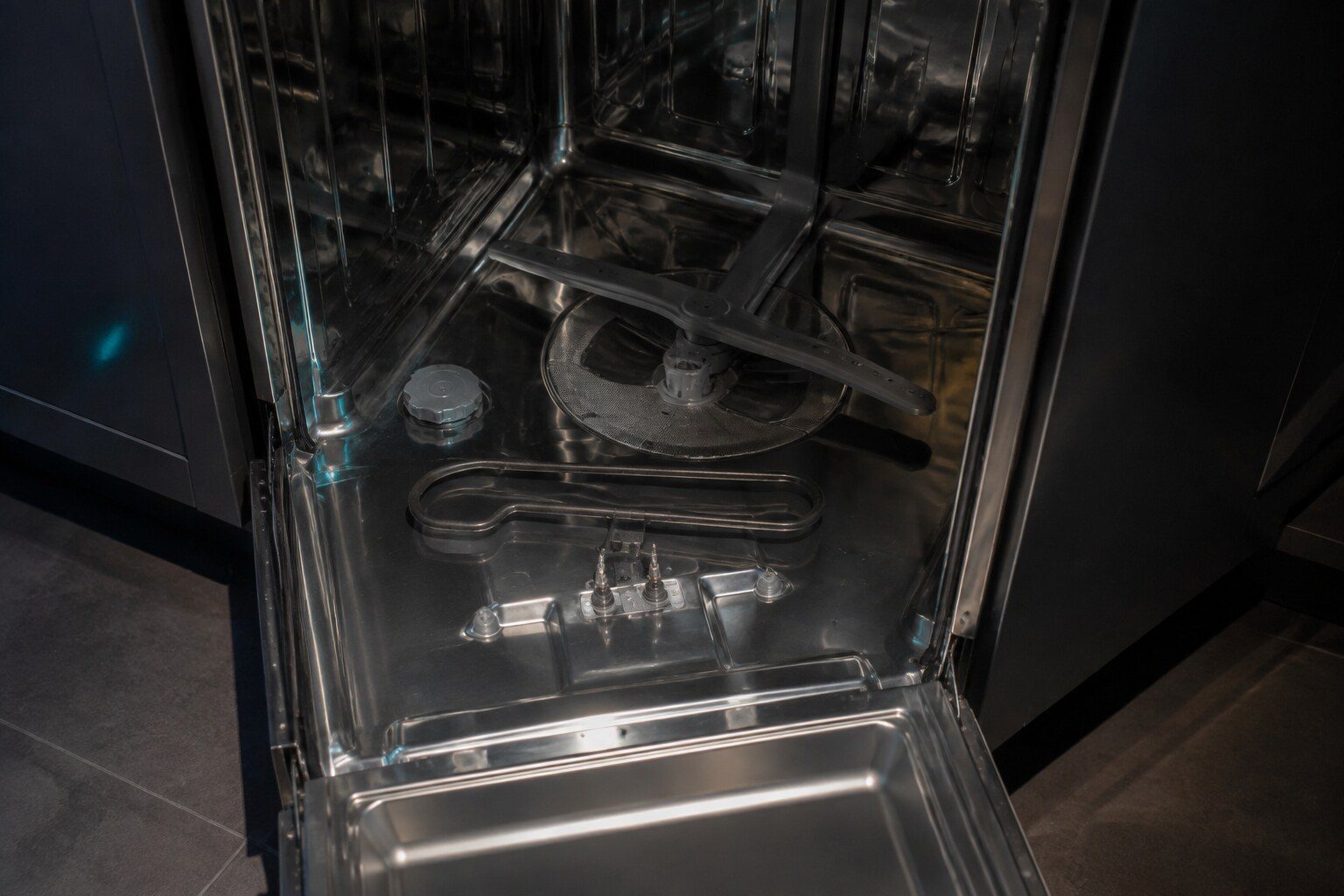
Wet dishes at the end of a cycle are either a heating problem or a drying-strategy problem, and they are worth separating before anybody buys a part. The element inside the tub also heats the wash water, so an element that has failed shows up as poor cleaning before it shows up as wet plastic. Whirlpool publishes both heating errors and drying performance pages, and the two lead to different places.
- From $89 diagnostic, credited to the repair
- 59 cities and neighborhoods covered
- OEM parts available on order
- In writing the price, before anything is opened
Before you read on
What this job costs and how it is agreed
A starting figure, not a quote. What moves it is the model, how the unit is built in and which part it needs — settled after the on-site diagnostic.
Starts at
from $175
After a diagnostic from $89, which comes off the bill when you go ahead.
or call (305) 363-7702
Diagnostic
From $89, credited to the repair
The price
In writing, before anything is opened
Warranty
On the labor we performed
On the visit
How this visit actually goes
The same order every time, so nothing is opened and nothing is charged before you have seen the figure and said yes.
-
01
Separate heat from drying
Water temperature during the cycle answers this in one measurement.
-
02
Test the element and its terminals
Resistance across the element and a look at the terminals where they pass through the tub, which is where they corrode.
-
03
Check the thermostats and the sensor
A machine that has protected itself did so for a reason, and that reason is found before anything is replaced.
-
04
Look at the vent and the rinse aid
On condensing dry cycles the vent flap and the rinse aid level are genuinely most of the drying performance, and that is worth knowing before spending money.
-
05
Explain what this machine can actually do
Some cycles are not designed to dry plastic. Saying so is more useful than replacing a working part.
Applies to
The Whirlpool units we carry this work out on
-
Built-in and portable dishwashers, with the F-and-E code set and the blinking-light set Whirlpool dishwasher repair in Miami
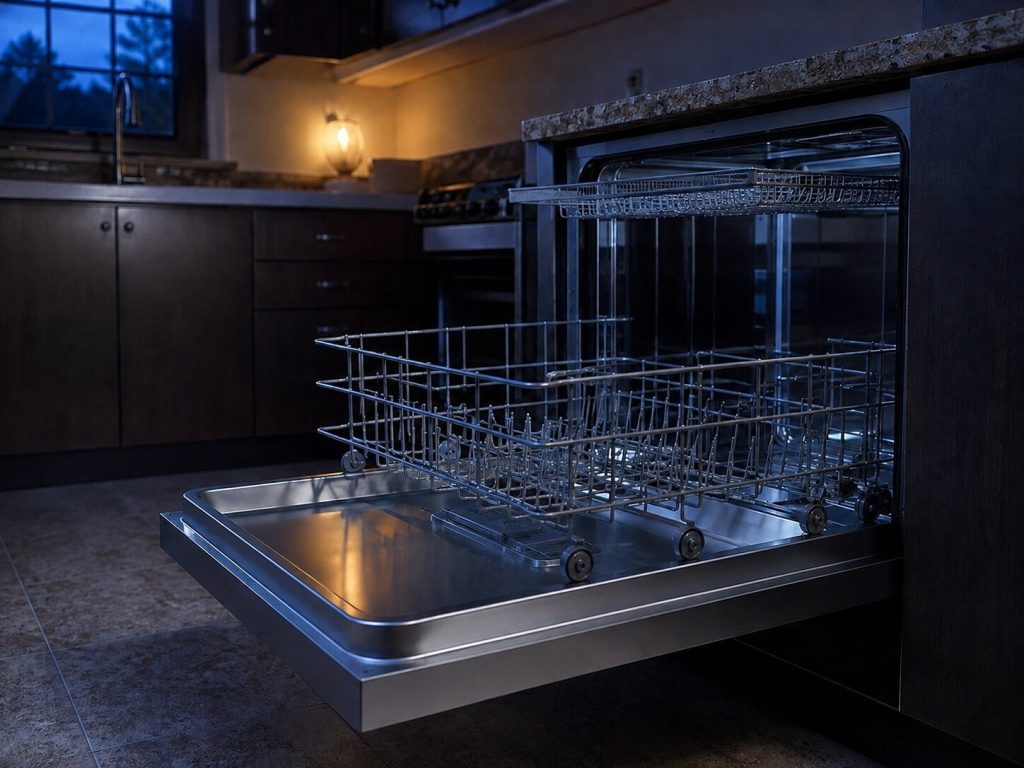
The dishwasher is the one place in Whirlpool's kitchen where the codes are properly documented: 38 code pages for the built-in machine and 9 more for the portable, covering F1E1 through FAE4 and the H2O code, plus something most makes do not publish at all — the blink patterns. A Whirlpool dishwasher with no display reports by pausing between flashes, and Whirlpool publishes what those pauses mean, from 1 pause 1 through 10 pause 5. It also publishes the front status light, including what it means when it glows red. If your machine is blinking at you rather than showing a number, there is a real answer for it.
- Built-in and portable machines, 47 published code pages between them
- F1E1 to FAE4 and H2O, plus the flash-and-pause patterns for machines with no display
- The front status light, the clean light and the sanitize light each have a published meaning
In more detail
About Whirlpool dishwasher drying and heat repair
Whether this machine is supposed to dry that way
Before any part is priced there is a question about the machine itself: a condensing dry cycle leaves plastic damp and always has, and there is no repair for a design working as intended. What is not normal is glass and crockery coming out wet, or a load that is both wet and dirty — those two together point at the element, which heats the wash water as well as the air, so a cleaning complaint usually arrives before a drying one. The element, the thermostats and the vent flap are tested with a meter rather than swapped in hope.
This article is based on:
- Official manufacturer documentation
- Internal repair procedures
- Technician repair history
- Company quality standards
Before you book
Questions about Whirlpool dishwasher drying and heat repair
Would rinse aid actually make a difference?
On a condensing cycle it makes a large one, because the drying depends on water sheeting off rather than beading. An empty rinse aid reservoir is the single most common reason for a machine that used to dry acceptably and now does not.
Should I be running it on the hottest cycle to compensate?
It helps a little and it costs a lot in time and power. It is worth measuring the incoming water temperature first, because a water heater set low makes every cycle underperform.
Where we do it
Across Miami-Dade, Broward, and Palm Beach
Same terms everywhere we go: an on-site diagnostic first, the price agreed in writing, and the exact figure confirmed once we have seen the unit.
Neighborhoods people ask for by name